Which size is right for your space?
- Living room (above sofa): 48x32 for visual balance
- Bedroom (above headboard): 36x24 or 48x32
- Dining room: 36x24 or 48x32, depending on wall size
- Home office or den: 30x20 or 36x24
- Large foyer or entryway: 48x32—go bold where first impressions matter
- Hallway, bathroom, or gallery wall: 18x12 or 24x16
When in doubt, go bigger than you think—undersized art is the most common mistake. The print should fill about ⅔ the width of the furniture beneath it.
Want to see it on your wall before you order? Use the Live Preview AR button on any print to view it in your actual space using your phone or tablet camera.
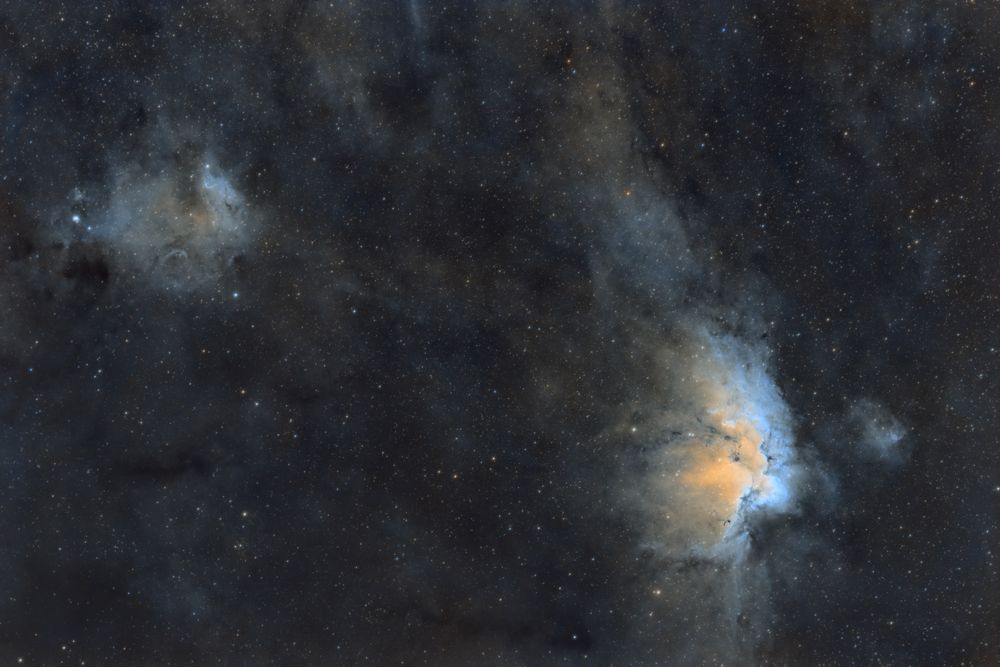
The photograph titled "Wizard Nebula (NGC 7380)" reveals the captivating beauty of an emission nebula that encircles the open star cluster NGC 7380 in the constellation Cepheus. This celestial formation, resembling a medieval sorcerer, is a testament to the wonders of the universe, located 7,200 light-years from Earth. Captured over three nights from my backyard in Phoenix, Arizona, this image is a culmination of 98 stacked photographs, showcasing the nebula's intricate details and vibrant colors.
The open cluster NGC 7380, discovered by Caroline Herschel in 1787, is approximately 4 million years old. Its unique structure and the surrounding star-forming region create a mesmerizing scene that invites contemplation. The photograph not only highlights the nebula's ethereal qualities but also reflects the technical journey of capturing such a distant marvel from urban skies.
Imagine this stunning piece adorning your decor, bringing a touch of the cosmos into your space. The depth and detail of the Wizard Nebula can serve as a daily reminder of the beauty that exists beyond our world.
Explore more of my work in my online gallery, and consider adding this extraordinary photograph to your collection.
NOTE:
The majority of photographs of nebula are in a false color palette. False-color photographs of nebulae are essentially color (RGB) photographs whose color channels have been mapped to specific emission lines. In these images, each color can represent a specific element. In other words, a false-color image of a nebula tells us exactly what it’s made of. There are many emission lines, but the three most photographed by astronomers are hydrogen-alpha, oxygen-III and sulfur-II. These emission lines are captured by using narrowband filters which only let through the light at very specific wavelengths, typically most of my photographs are taken with filters allowing a bandwidth of 3µm.
|
Element
|
Emission line
|
Wavelength
|
Color
|
|
Hydrogen
|
Hα
|
656.3 nm
|
Red
|
|
Oxygen
|
O-III
|
500.7 nm
|
Blue/Green
|
|
Sulfur
|
S-II
|
672.4 nm
|
Red
|
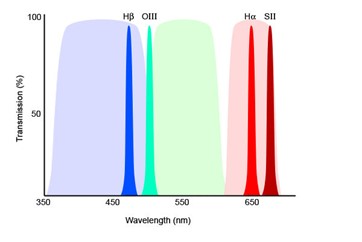
Mapping Hα, O-III and S-II to red, green and blue is problematic when two of them are red, one is blue/green, and none is pure blue. Astronomers deal with this by using false color — one or more of these elements is going to have to take a hit for the team and take on an unnatural hue. The Hubble palette assigns red to S-II, green to Hα, and blue to O-III: red is accurate, green and blue are false. This photograph uses the Hubble color palette, hence the golds and blues you find in the photograph.
See full description & specifications
Imagine this stunning photograph gracing your space, inviting contemplation and sparking conversations. The cosmic beauty of the Wizard Nebula can transform any room into a serene retreat, connecting you to the vastness of the universe. It’s not just a piece of art; it’s a window into the cosmos, perfect for those who appreciate the intricate dance of nature and science.
1. Primary Color Palette
-
Deep Space Black 🖤
Hex: #1A1A1A
A grounding color that evokes the depth of the universe, providing a dramatic backdrop.
-
Nebula Blue 🌌
Hex: #4A90E2
This calming blue reflects the ethereal qualities of the nebula, promoting tranquility.
-
Starlight White ✨
Hex: #FFFFFF
A crisp white that adds brightness and contrast, enhancing the artwork's details.
-
Cosmic Orange 🍊
Hex: #FF8C00
A warm, inviting hue that draws attention and adds a touch of warmth to the palette.
-
Celestial Gray 🌫️
Hex: #B0B0B0
A soft gray that complements the darker tones, creating a balanced aesthetic.
2. Complementary Interior Palette
-
Sherwin-Williams Sea Salt 🌊
Color Name: Sea Salt
Sherwin-Williams Sea Salt
A soft, muted green that brings a refreshing touch, harmonizing beautifully with the artwork.
-
Benjamin Moore Revere Pewter 🪨
Color Name: Revere Pewter
Benjamin Moore Revere Pewter
A warm gray that adds depth without overwhelming, perfect for walls or furniture.
-
Behr Soft Blue 💙
Color Name: Soft Blue
Behr Soft Blue
A light, airy blue that enhances the celestial theme, creating a serene atmosphere.
-
Valspar Creamy White ☁️
Color Name: Creamy White
Valspar Creamy White
A warm white that brightens the space while allowing the artwork to shine.
3. Styling Suggestions
-
Pair with Soft Sage Walls: A soft sage wall will create a calming backdrop, allowing the vibrant colors of the photograph to pop. Complement this with charcoal gray furnishings for a sophisticated look.
-
Off-White Accents: An off-white wall will provide a clean canvas, making the cosmic hues of the artwork stand out. Add warm wood accents in furniture to create a cozy, inviting space.
-
Layered Textures: Incorporate textiles in muted tones—think soft throws or cushions in gray and blue—to enhance the overall aesthetic while keeping the focus on the photograph.
This photograph is not just a visual delight; it’s an invitation to explore the cosmos from the comfort of your home. Imagine it as a centerpiece in your living room, study, or even a serene bedroom retreat. The colors and textures you choose will enhance its beauty, creating a space that resonates with your appreciation for art and the universe.
Let this piece inspire you to create a sanctuary that reflects your love for the cosmos and the beauty of nature. 🌿